Information according to ElektroG and BattVO/BattDG
Consumer information on the return and disposal of old electrical appliances, batteries and accumulators
1. Waste electrical and electronic equipment
a) General information for our online shop and our branches
Electrical and electronic equipment is marked with the symbol of a crossed-out wheeled bin.
The symbol indicates that electrical and electronic equipment cannot be disposed of with normal household waste, but must be taken to a separate waste collection point. This is because the materials contained in waste electrical and electronic equipment can be recycled. Furthermore, used batteries and accumulators that are not enclosed within the old device, as well as lamps that can be removed from the old device without damage, must be carefully separated before disposal.
Please note that you are responsible for deleting all personal data on your old device.
b) In addition to the information in section 1.a), the following applies to our online shop :
We are obligated under Section 17, paragraphs 1 and 2 of the German Electrical and Electronic Equipment Act (ElektroG) to take back electrical and electronic equipment free of charge. You can drop off your old electrical equipment free of charge at one of the municipal collection points (recycling centers) near you.
Upon request, we will take care of the purchase of a new electrical or electronic device.
- a heat exchanger,
- a screen, monitor or device with a screen having a surface area of more than 100 square centimeters or
- a waste electrical and electronic equipment (WEEE) where at least one of the external dimensions is more than 50 centimeters (large appliance)
The old appliance can be returned free of charge to the place of delivery of the new appliance (e.g., your home) or via postal service, provided that one of the aforementioned appliances is of the same type and performs essentially the same functions as the new appliance. To take advantage of this, select the free take-back of old electrical appliances when purchasing a new appliance.
Small appliances, lamps, small IT and telecommunications equipment where none of the external dimensions exceeds 50 centimeters, and devices where no external dimension exceeds 25 centimeters, can be returned to us free of charge when purchasing a comparable new device.
Regardless of whether you purchase a new electrical appliance, you can return an old appliance to us free of charge if no dimension is larger than 25 cm.
To obtain a shipping label, please contact us in advance at info@lidl-shop.dePlease contact our customer service department. Pack the old device securely for transport. Use a sturdy box and ensure the contents are not loose. Add packing material (such as old newspapers) if necessary.
c) In addition to the information in section 1. a), the following applies to our branches :
As a food retailer, Lidl is obligated under Section 17 Paragraph 1 of the Electrical and Electronic Equipment Act to take back waste electrical and electronic equipment in its stores from 01.1.2022.
Small electrical and electronic devices (no external dimension larger than 25cm) can be returned free of charge in our stores.
Old appliances can be returned at the checkout. Up to three small appliances per type will be accepted per customer, provided that no external dimension exceeds 25 centimeters (0:1 take-back rate).
When purchasing an electrical appliance in the store, an old appliance of the same type can also be returned free of charge (1:1 take-back).
Previously removed used batteries, accumulators and lamps can be returned via the provided collection boxes.
2. Customer information on batteries according to EU Battery Regulation and Battery Act
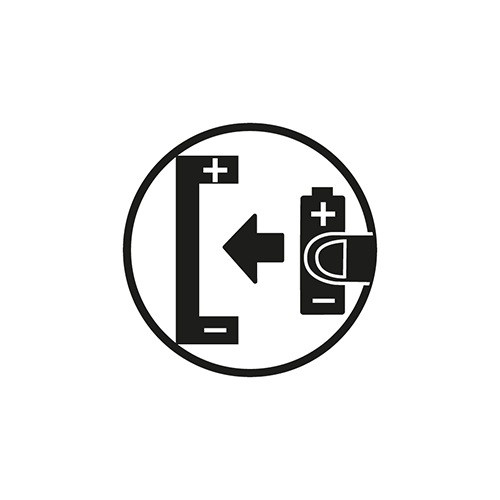
End users are legally obligated to return used batteries and rechargeable batteries and must dispose of them at designated, separate collection points, which are typically established by the manufacturer or a producer responsibility organization. This is the only way to ensure their proper and environmentally sound treatment in the designated facilities. Whenever possible, batteries and rechargeable batteries should be removed from old devices and disposed of separately.
End users can return used batteries and rechargeable batteries of the category that we currently or previously offered as new batteries or rechargeable batteries in our product range free of charge to all Lidl stores in Germany. Returns are also possible at numerous other battery retailers and public collection points. This applies regardless of whether a new battery or rechargeable battery has been purchased.
The substances contained in a battery can, if handled improperly, especially if they leak from the battery, have negative impacts on the environment, human health, or personal safety. These risks are particularly high if the batteries are not collected separately in accordance with legal requirements or handed over to a designated collection point, so that end users can actively contribute to protecting the environment and human health by fulfilling their obligations.
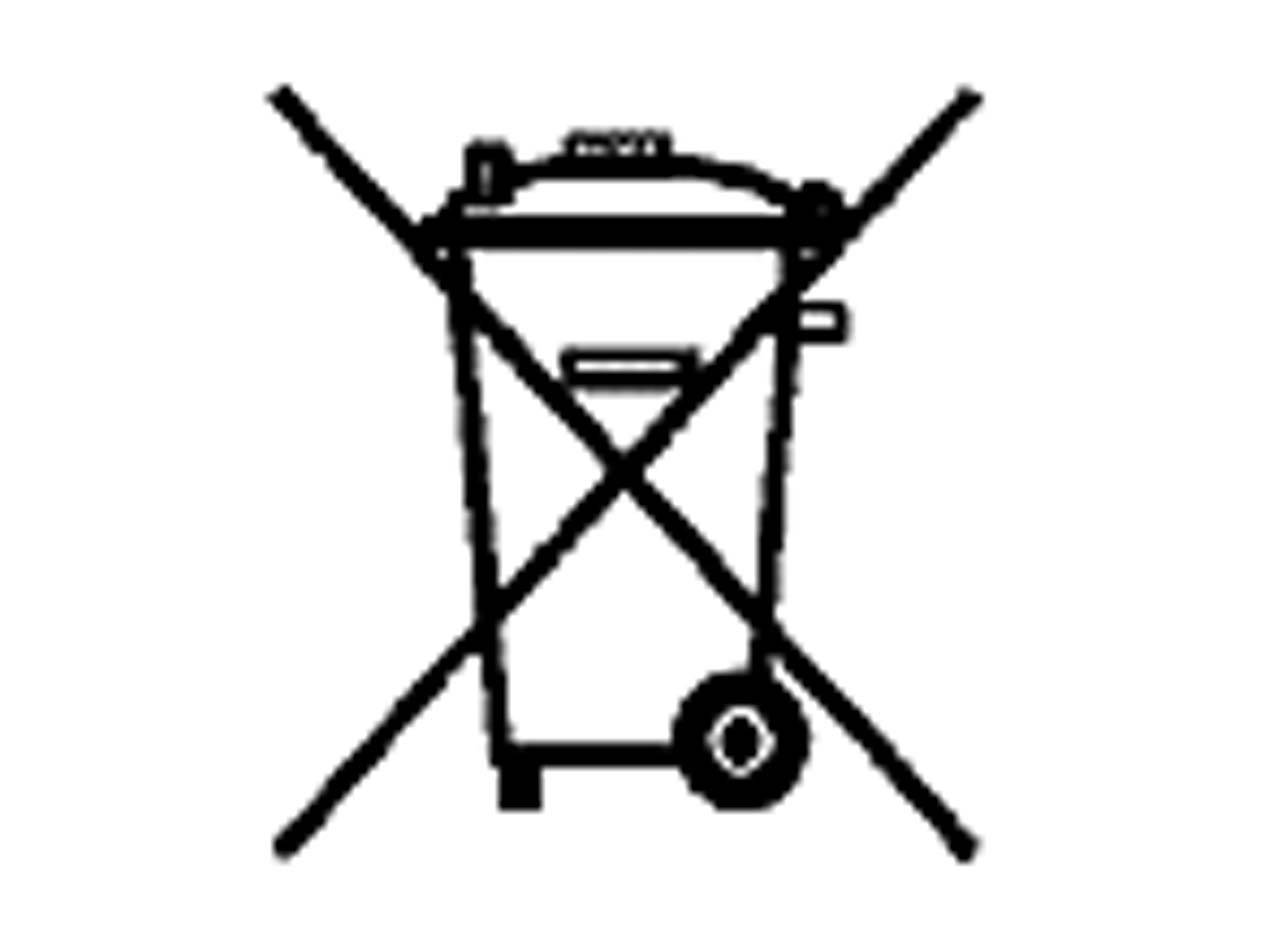
Meaning of the symbol according to Article 13(4) of the EU Battery Regulation
The symbol of a crossed-out trash can shown on the battery indicates that used batteries must be collected separately from unsorted municipal waste and other waste streams, and in particular must not be disposed of in household waste.
Meaning of the symbols [Cd] / [Pb]
If the chemical symbols Cd or Pb are placed under the symbol of a crossed-out trash can, this means that the respective battery contains more than 0.002% cadmium (Cd) or more than 0.004% lead (Pb).
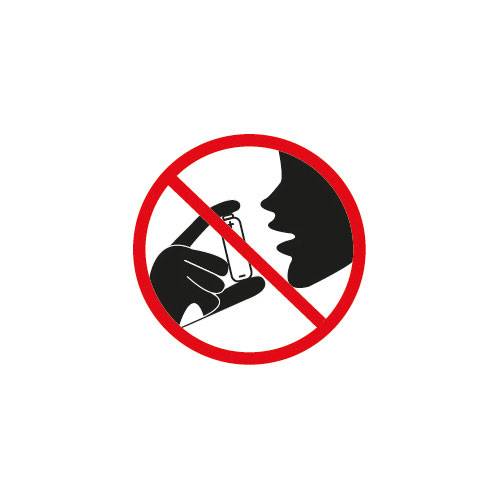
Information on the safe handling of batteries and used batteries
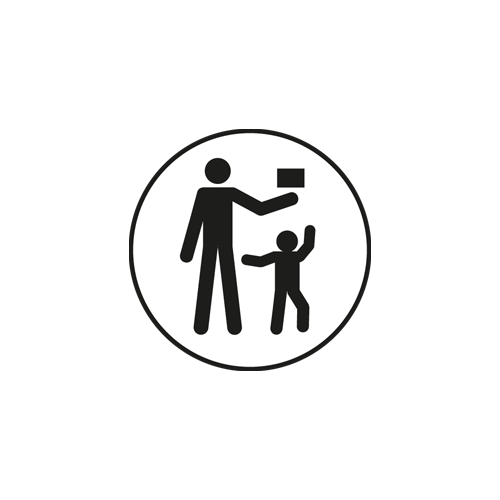
Measures for the use and handling of batteries include safe handling, storage, charging, and disposal to prevent hazards and extend battery life. Proper handling of lithium-ion batteries is particularly important due to their higher risk.
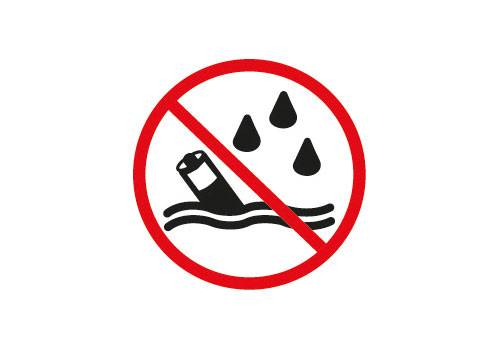
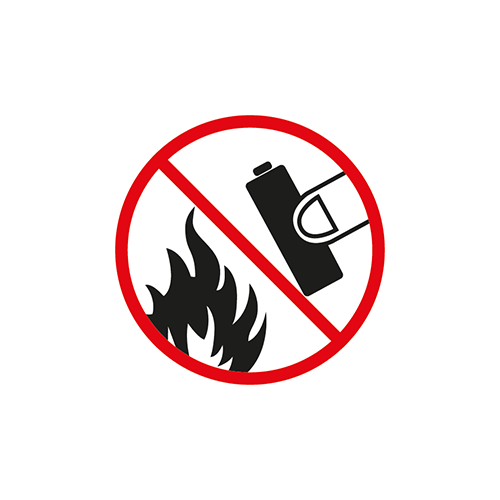
- Protect from moisture and extreme temperatures: Batteries should be stored in a dry place and protected from moisture. High temperatures or very low temperatures below freezing should be avoided.
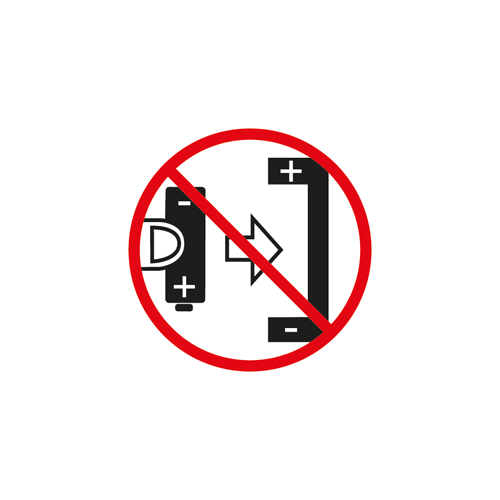
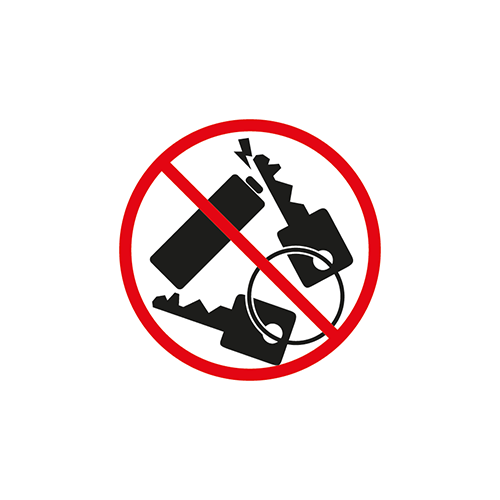
- Avoid short circuits: Short circuits can be prevented by taping over the terminals or individually packaging the batteries in plastic bags. Extra care should be taken when handling metal tools around batteries.
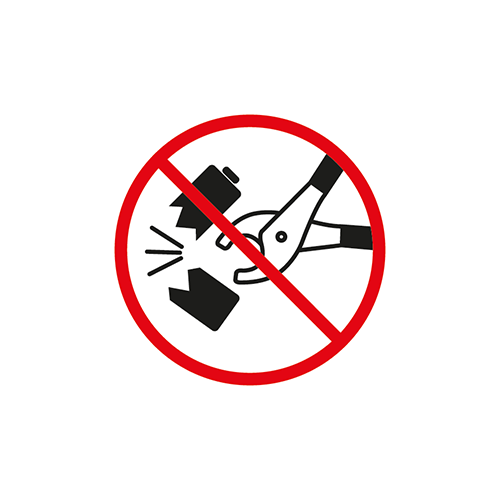
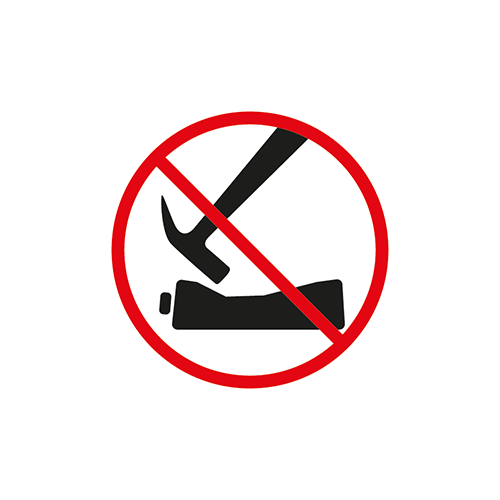
- Avoid damage: Mechanical damage should be avoided to prevent endangering the battery.
- Distance to flammable materials: Batteries should be stored with sufficient distance from other flammable materials.
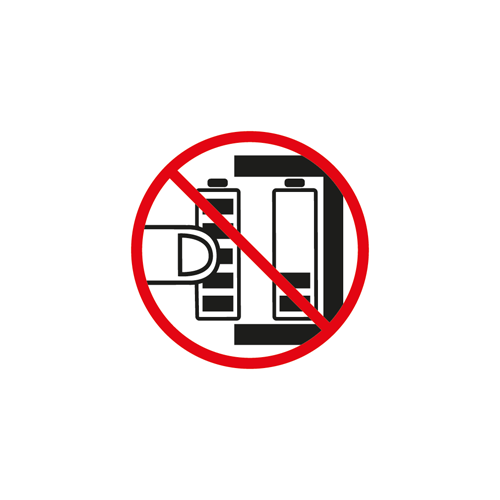
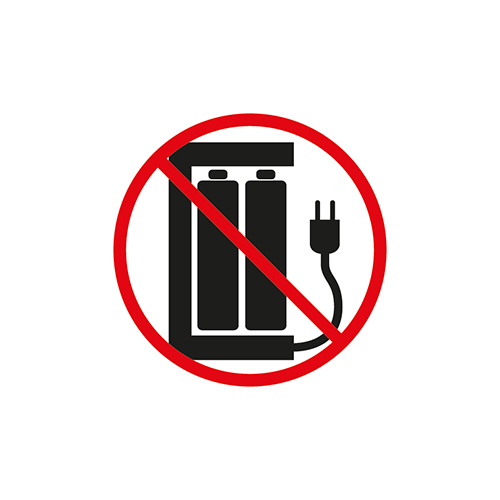
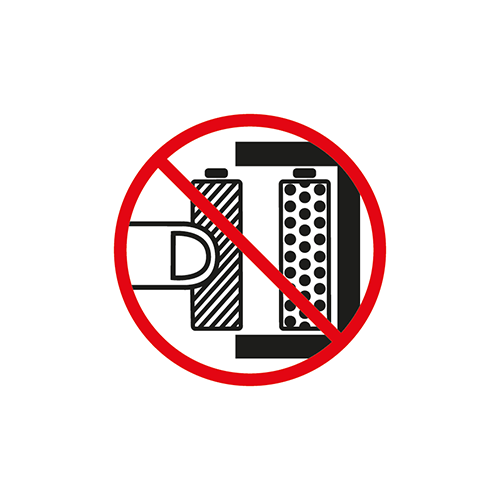
- Use suitable chargers: Only use chargers approved for the specific battery type. Do not attempt to recharge non-rechargeable batteries.
- Avoid overloading: Overloading can lead to overheating and fire hazards.
- Avoid deep discharge: Deep discharge can damage the battery and shorten its lifespan.
- Monitor charging processes: During the charging process, the battery should be kept in sight and not left unattended, especially with lithium-ion batteries.
- Professional help in case of problems: In case of problems with batteries or rechargeable batteries, such as damage, leakage, heat and smoke development or deformation, professional help should be sought.